Cat Hypertrophic Cardiomyopathy (HCM): Symptoms, Life Expectancy, and Care Guide
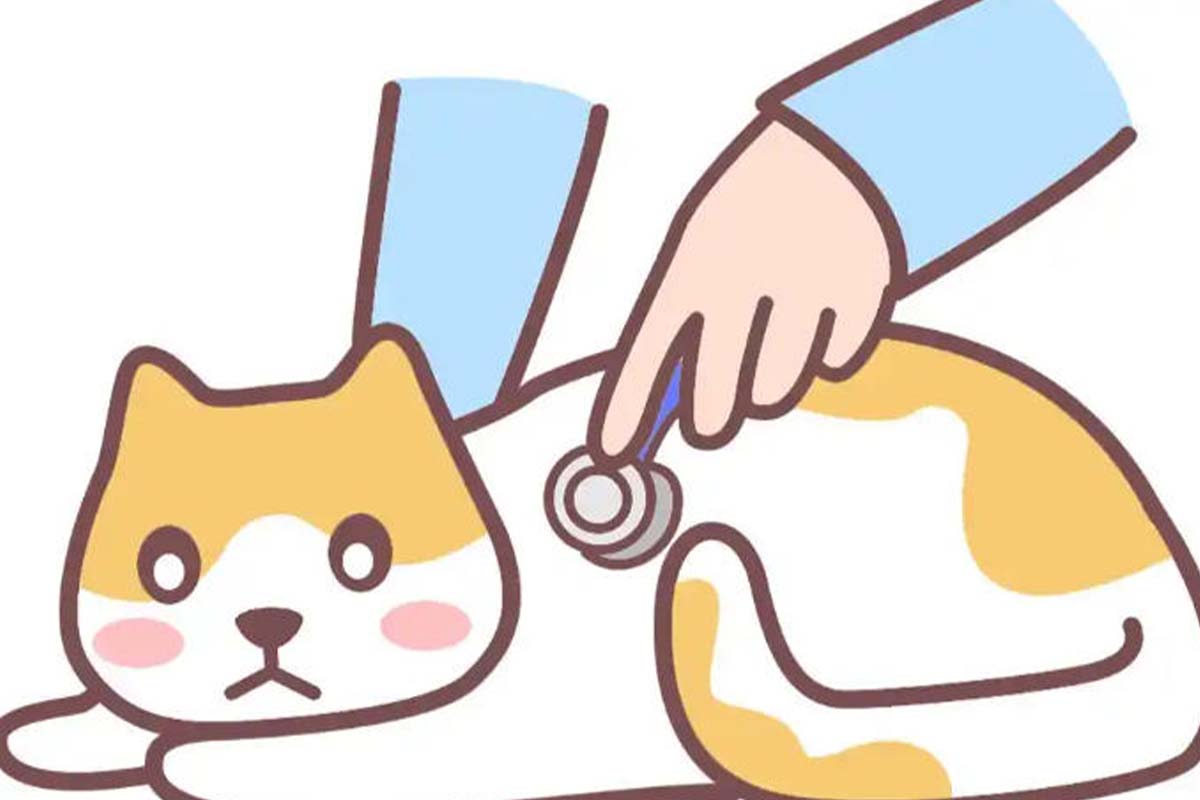
Hypertrophic Cardiomyopathy (HCM) is the most common heart disease in cats, affecting nearly 1 in 6 felines. Often called a “silent killer,” HCM causes the heart walls to thicken, making it harder for the heart to pump blood. While it sounds scary, many cats with HCM live long, happy lives with the right care.
Recognizing the Silent Symptoms
In many cases, HCM has no obvious signs until it becomes severe. However, as a cat parent, you should watch for these “red flags”:
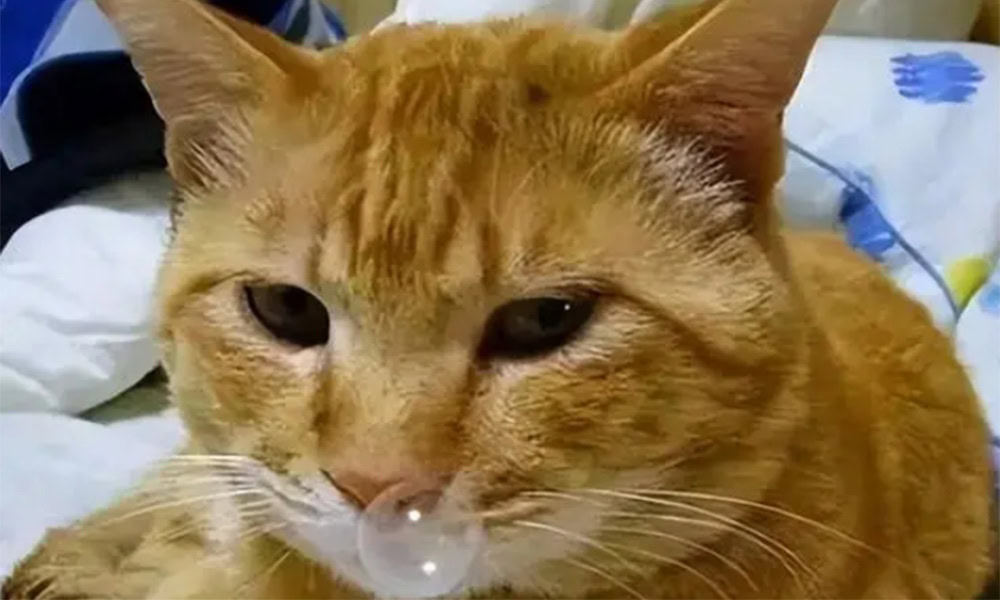
Rapid Breathing: If your cat takes more than 30 breaths per minute while resting or sleeping, it’s a major warning sign of fluid in the lungs.
Sudden Weakness: This often happens in the hind legs, sometimes accompanied by crying in pain (a sign of a blood pool or clot).
Lethargy and Fainting: If your cat suddenly collapses or seems unusually exhausted after minor play, their heart may be struggling.
Can HCM Be Cured?
Currently, there is no permanent “cure” for HCM, but it is manageable. The goal of treatment is to control heart rate, prevent blood clots, and ease the workload on the heart. The good news: Most cats diagnosed with subclinical HCM (no symptoms) can live for 10 years or more. Early detection through annual checkups and ultrasounds is the best way to extend their life.
Emergency Step: How to Perform Cat CPR
If your cat collapses and stops breathing, every second counts. If you are far from a vet, follow these 5 steps:
Check Status: Feel for a heartbeat or breath. If there is none, start immediately.
Positioning: Lay the cat on their right side on a flat surface, with the left side facing up.
Compressions: Place your hand over the heart (behind the elbow). Press down 1/3 to 1/2 of the chest depth. Aim for 100–120 compressions per minute.
Rescue Breaths: Close the cat’s mouth and breathe directly into their nose. Do 2 breaths for every 30 compressions.
Monitor: Check for a pulse every 2 minutes while rushing to the nearest animal hospital.
Daily Care and Prevention
Living with an HCM-positive cat requires a calm environment. Stress is the enemy; sudden changes or loud noises can trigger heart failure.
Low-Sodium Diet: Too much salt increases blood pressure and heart strain.
Weight Control: Obesity makes the heart work much harder than it should.
Regular Screening: For high-risk breeds like Maine Coons, Ragdolls, and British Shorthairs, annual heart ultrasounds and Pro-BNP tests are essential.

 English
  Español
  Tagalog
  香港中文
香港中文