Newborn Kitten Care Guide: From Birth to 8 Weeks
The first month of a kitten’s life is a whirlwind of growth. While a mother cat is the best caregiver, humans often need to step in as assistants or full-time providers. Here is a no-fuss breakdown of how to ensure these tiny felines thrive.
Method 1: Supporting the Mother Cat (0–4 Weeks)
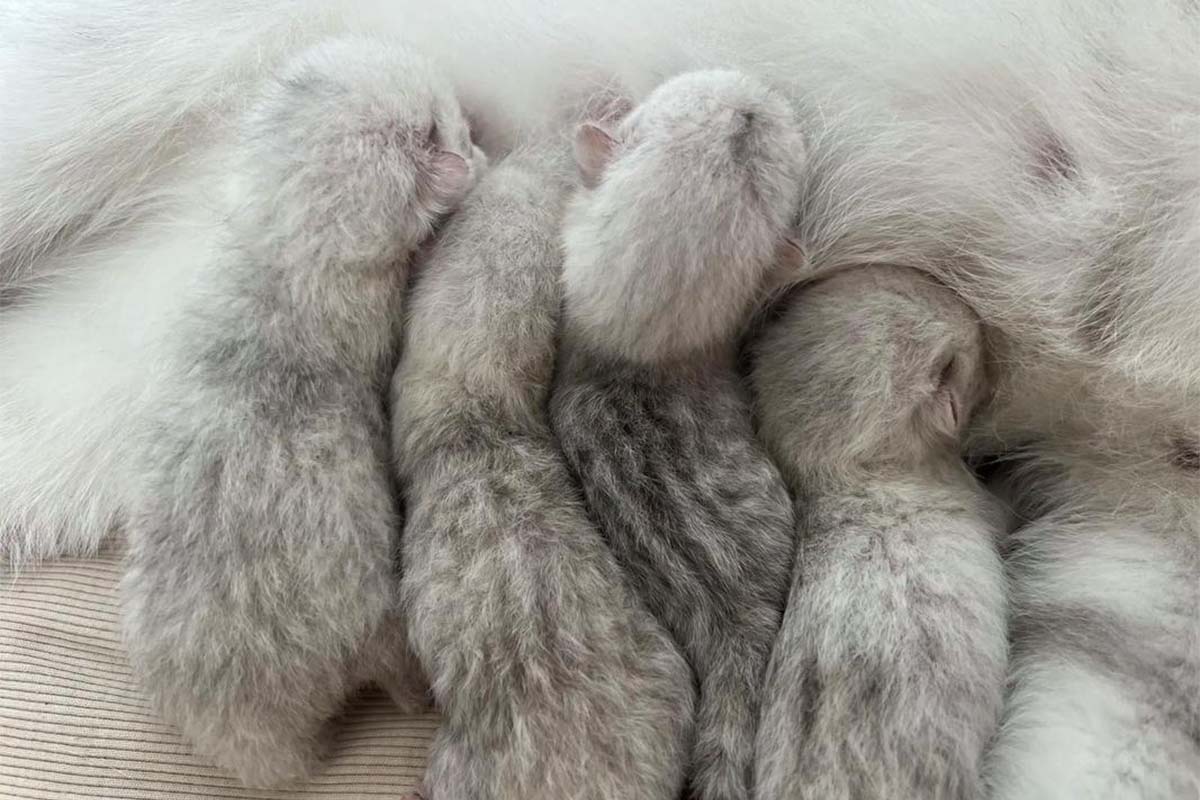
If the mother is present, your primary job is to care for her. Provide a quiet, low-traffic nesting area with soft bedding and keep her food, water, and litter box nearby so she never has to leave her kittens for long. During this phase, minimize handling of the kittens to reduce the mother’s stress and allow for vital bonding. Ensure she is eating high-quality kitten food herself to sustain milk production, and plan for her to be spayed once the kittens are fully weaned.
Method 2: Caring for Orphaned Kittens (0–4 Weeks)
Orphans require a “round-the-clock” commitment to survive. You must use a specific Kitten Milk Replacer (KMR)—never cow’s milk, which causes fatal digestive upset. Feed them every 2–3 hours using a specialized bottle, and always burp them gently afterward. Since kittens cannot eliminate on their own, you must use a warm, damp cloth to stimulate their genital area before and after every meal. Most importantly, keep them warm; a cold kitten cannot digest food. Use a covered heating pad on a low setting, ensuring they have space to move away if they get too hot.
Method 3: Weaning and Socialization (4–8 Weeks)
Around week 4, the “transition phase” begins. Introduce a “gruel” made of wet kitten food mixed with milk replacer to start the weaning process. This is also the critical socialization window (3–9 weeks); gently expose them to household sounds and soft handling to build their confidence. Use a low-sided litter tray with non-clumping litter, as kittens often try to eat the litter and clumping varieties can be dangerous if swallowed. Ideally, keep the litter together until at least 8 to 12 weeks to ensure they learn proper social boundaries from their siblings.


 English
  Español
  Tagalog
  香港中文
香港中文